
The Thrill of Uncertainty
One of the primary factors contributing to the addictive nature of slot machines is the element of uncertainty they introduce. Players are often drawn to the excitement of not knowing the outcome of each spin. This unpredictability leads to heightened emotions as anticipation builds, creating a rush that can be exhilarating. Just like a roller coaster, the thrill of the unknown keeps players coming back for more, as they hope for a big win that could change their fortune, especially when they explore the best online casino options available online. This emotional roller coaster is a significant part of what makes playing slots so compelling.
This built-in uncertainty is coupled with the concept of variable rewards. Unlike traditional games that may offer fixed payoffs, slot machines vary the frequency and size of payouts. This means that players can experience long stretches without wins, followed by big payouts, which triggers a response in the brain similar to that of gambling addiction. The psychological phenomenon known as the “near miss” effect can also play a role, where players feel they are close to winning, further encouraging them to continue playing even when they may be losing overall.
Moreover, the experience is often enhanced by the sights and sounds associated with the machines. Flashing lights, celebratory sounds, and engaging graphics create an immersive environment that feels like an escape. This sensory stimulation not only attracts players but also reinforces the excitement of gambling, making it difficult to resist the allure of the slot machines, even when they know the odds are against them. The combination of visual and auditory stimuli effectively captures players’ attention, drawing them deeper into the game.
Design and Mechanics of the Machines
The design of slot machines plays a significant role in their addictive nature. Modern machines are crafted with sophisticated algorithms that not only determine payouts but also enhance player engagement. These designs are often colorful and visually appealing, capturing the attention of potential players. Additionally, many machines feature themes based on popular culture, movies, or music, making them more relatable and enticing. This familiarity can create a sense of connection, prompting players to invest their time and money.
Beyond aesthetics, the mechanics of how slot machines operate are integral to their appeal. For instance, many machines employ a feature known as “near misses,” where players may almost win but just fall short. This can create a false sense of hope, encouraging players to continually invest more money in hopes of finally hitting the jackpot. The psychological impact of these near misses can be profound, as they reinforce the belief that a win is just around the corner, leading to prolonged play. These mechanics are carefully designed to keep players engaged, often at the expense of their financial well-being.
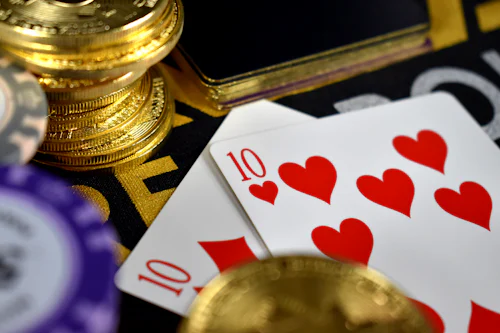
Furthermore, the availability of features such as bonus rounds, free spins, and progressive jackpots adds layers of excitement to the gameplay. Players are not just spinning for immediate payouts; they are also playing for chances to unlock additional features that can substantially increase their winnings. This intricate mix of design and mechanics keeps players engaged and promotes repetitive gambling behavior, as they seek to experience more of the game’s stimulating features. The constant updates and new features in slot machines ensure that players always have something new to explore, further enhancing their engagement.
The Role of Reinforcement in Gambling Behavior
Reinforcement theory is pivotal in understanding why slot machines are so addictive. In behavioral psychology, reinforcement refers to the process of encouraging a specific behavior through rewards. Slot machines utilize this principle by providing intermittent rewards—payouts that occur sporadically but unpredictably. This intermittent reinforcement schedule is known to be particularly effective in maintaining engagement, as players never know when their next win will come. The uncertainty of rewards keeps players on the edge of their seats, leading them to continue playing in hopes of striking it rich.
The brain’s reward system is activated during gambling activities, particularly in response to wins, whether they are significant or minor. This release of dopamine—a neurotransmitter associated with pleasure—creates a feeling of euphoria. Over time, players begin to associate the act of playing with these rewarding feelings, further entrenching their gambling behavior. The cycle of chasing wins can become all-consuming, leading players to return to the machines repeatedly. The brain’s wiring can change with repeated exposure to these rewards, making it increasingly difficult for players to resist the urge to play.
Moreover, social reinforcement plays a role, especially in casinos where others are also playing. The atmosphere of a busy casino can amplify the excitement of hitting a jackpot, with cheers and celebrations creating a communal experience. Players may feel a sense of connection with others, reinforcing their desire to continue playing. This social aspect, combined with individual reinforcement, can solidify the habit of playing slot machines, making it even more addictive. The shared experience of winning or losing in a group can create a powerful emotional bond that encourages continued participation in the activity.
The Psychological Impact of Gambling
The psychological impact of gambling on individuals can be profound. Many players may initially engage with slot machines for fun or entertainment, but it can quickly turn into a compulsive behavior. The allure of big wins and the excitement of playing can overshadow any rational thought about the risks involved. This can lead to significant emotional distress, financial problems, and strained relationships with family and friends. The initial thrill can turn into a dark cycle of addiction that consumes a player’s life.

Individuals may also experience a phenomenon known as “loss chasing,” where they continue to gamble in an attempt to recover losses. This behavior is particularly dangerous, as it can lead to addictive patterns that are challenging to break. Players may find themselves in a cycle of spending more money to win back previous losses, ultimately leading to greater financial despair. This cycle can be detrimental, not only to the individual but also to those around them. The emotional toll of gambling can also lead to depression and anxiety, creating a vicious cycle that is difficult to escape.
Additionally, gambling can exacerbate existing mental health issues, such as anxiety or depression. The thrill of winning can offer a temporary escape from these feelings, but the eventual losses can lead to deeper emotional turmoil. Many individuals may not seek help due to the stigma surrounding gambling addiction, perpetuating the cycle of isolation and financial strain. Understanding the psychological effects is crucial in addressing the addiction that slot machines can foster. Recognizing the signs of addiction is the first step toward seeking help and regaining control over one’s life.
Finding Balance and Seeking Help
Recognizing the addictive nature of slot machines is the first step toward finding a balance. Many players enjoy gambling as a source of entertainment but may unknowingly cross the line into addiction. Setting limits on time and money spent on gambling is vital to prevent it from becoming a compulsive behavior. Players are encouraged to establish clear boundaries and to be mindful of their gambling habits to ensure that it remains a fun activity. This self-awareness can help individuals enjoy the thrill of the game without falling into destructive patterns.
Support systems play a critical role in addressing gambling addiction. Friends and family can provide the necessary encouragement to seek help when gambling becomes problematic. There are numerous resources available, including support groups and counseling services, specifically designed for individuals struggling with gambling addiction. These tools can offer coping strategies and support for facing the challenges of addiction. The journey to recovery is often easier with the backing of loved ones who understand the impact of gambling on mental health.
Moreover, online resources and platforms can provide valuable information on responsible gambling practices. Learning about the risks associated with gambling and understanding the signs of addiction are essential for both players and their loved ones. By fostering a greater awareness of the issue and promoting healthy gambling habits, individuals can enjoy the thrill of slot machines without falling into the depths of addiction. This proactive approach can empower individuals to make informed decisions and seek help when needed, ultimately leading to a healthier relationship with gambling.